 Truth be told, cooking at my house often involves a smoke alarm. It’s tempting to climb on a step stool to disconnect the pesky alarm, but I have become efficient at opening windows and doors to “fan” the smoke out of the house. Once the smoke clears it’s a good time to check on the rest of the alarms.
It’s also a good idea for you to check on your smoke and carbon monoxide alarms to make sure you have the proper alarms installed.
The State of Vermont’s Fire Safety site (https://firesafety.vermont.gov/) provides homeowner information. It’s always good practice to check on the type of smoke alarm. The site states, “Many existing Vermont homes currently have old outdated ionization smoke alarms installed. These old alarms need to be replaced. The division recommends to homeowners that when you are replacing alarms that you update to a photoelectric smoke alarm now and not wait until the time when home is being sold.”
When you do sell your house the attorney’s require a Compliance Certificate to verify installation to comply with Vermont’s requirements.
Here is the form: https://firesafety.vermont.gov/sites/firesafety/files/files/forms/dfs_forms_smoke_co_cert.pdf
As always, if you want more information on getting your house ready to sell, contact The Weaver Team and we will get you set up for home selling success!
 This is not your basic checklist! As real estate professionals, this compilation relies on our years of experience to help our clients get “ahead” of many issues that come up when a buyer looks at a house.
 If you follow our blog you know that the real estate biz is not all glitz and glam as represented in the media. If you watch “Million Dollar Listing” or other such shows you may be lulled into thinking that we drive around in our luxury vehicles all day and host lavish buffets at our listings.
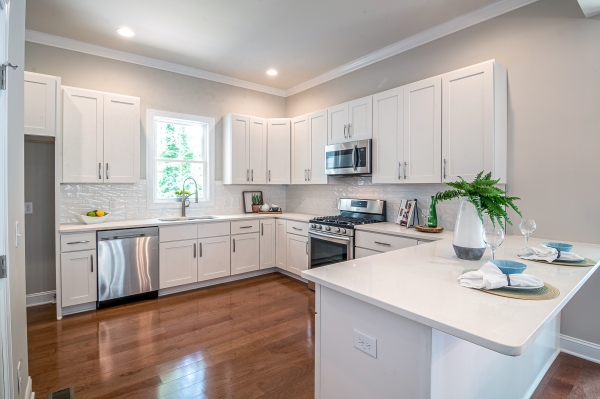 Everyone’s first question about staging their house is, “What should I do with my kitchen countertops?” Most days none of us have our countertops “photo-ready.” Right now my countertop boasts a blender, a toaster, a large white pitcher, a bowl of fruit and bananas and random dishes drying on a dish towel. Yours may have a coffee maker, knife block, canisters, and assorted water bottles. What stays? What goes?
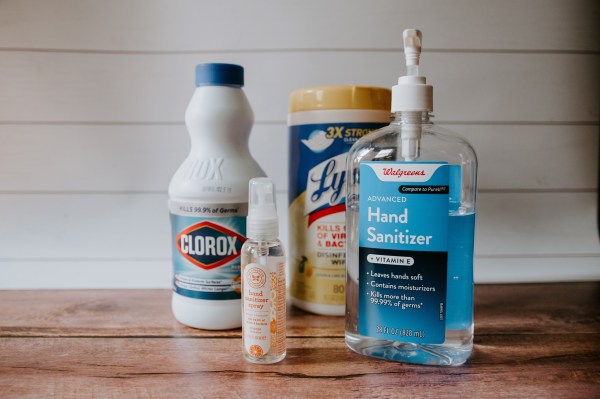 What does it mean to be safe when you’re looking at houses in the midst of a pandemic? While there is no way to be 100% protected, you can minimize your risk of exposure. Here are some Do’s and Don’ts:
 We get it. We fear germs and viruses just like all of you. Federal, local, and town governments have cautioned us to stay home and practice social distancing. We want to do our part as responsible citizens so we, too, are working from home.
 Let’s face it, there are plenty of Realtors out there. They are in your book club, your networking club, at your gym, and at the dog parks. Realtors wear vests, coats, and even dog leashes emblazoned with their brokerage logo. And, if you even mention “moving” at a Starbucks be assured that there is a Realtor lurking at the next table.
 Who doesn’t love to watch HGTV (Home and Garden TV)? From “Love It or List It” to “Property Brothers,” we spend hours watching the transformation of living spaces.
 The Weaver Team