 Summer is officially here and it’s time to get your exterior living spaces “show ready.” Even if you’re not selling your house it’s fun to add some quick and easy items to your outdoor spaces.
From decks to patios to porches, here are our top 3 tips:
Patio pots filled with annuals – Colorful patio pots are trending right now. The bigger the better! Instant color and décor for your pool area, deck, or front porch. If you’re local, pick one up at Red Barn Gardens, RedBarnGardensVT.com.
Summer wreath for your front door – Wreaths aren’t just for Christmas! Add a decorated grapevine or straw wreath to compliment your style. Looking for inspiration? Lemons, strawberries, or even a red, white, and blue theme will make your front door “pop.”
String lights – There’s always a spot for string lights on your porch, patio, railing, or even in front of your garage. If you don’t have an electricity source try some solar lights.
We specialize in staging your home for sale or just for fun! Contact us today for a complimentary home visit for more tips, tricks, and “on trend” advice.
 It’s easy to get mixed up when you’re bantering about real estate terms. Here’s a handy guide to follow:
 If you are selling your house you may hope that potential buyers are familiar with the idiom “Don’t judge a book by it’s cover.” Meaning, in real estate parlance, that you’re hoping the buyers will overlook the sagging gutters, cracked driveway, tired garage doors, and fall in love the interior of your house.
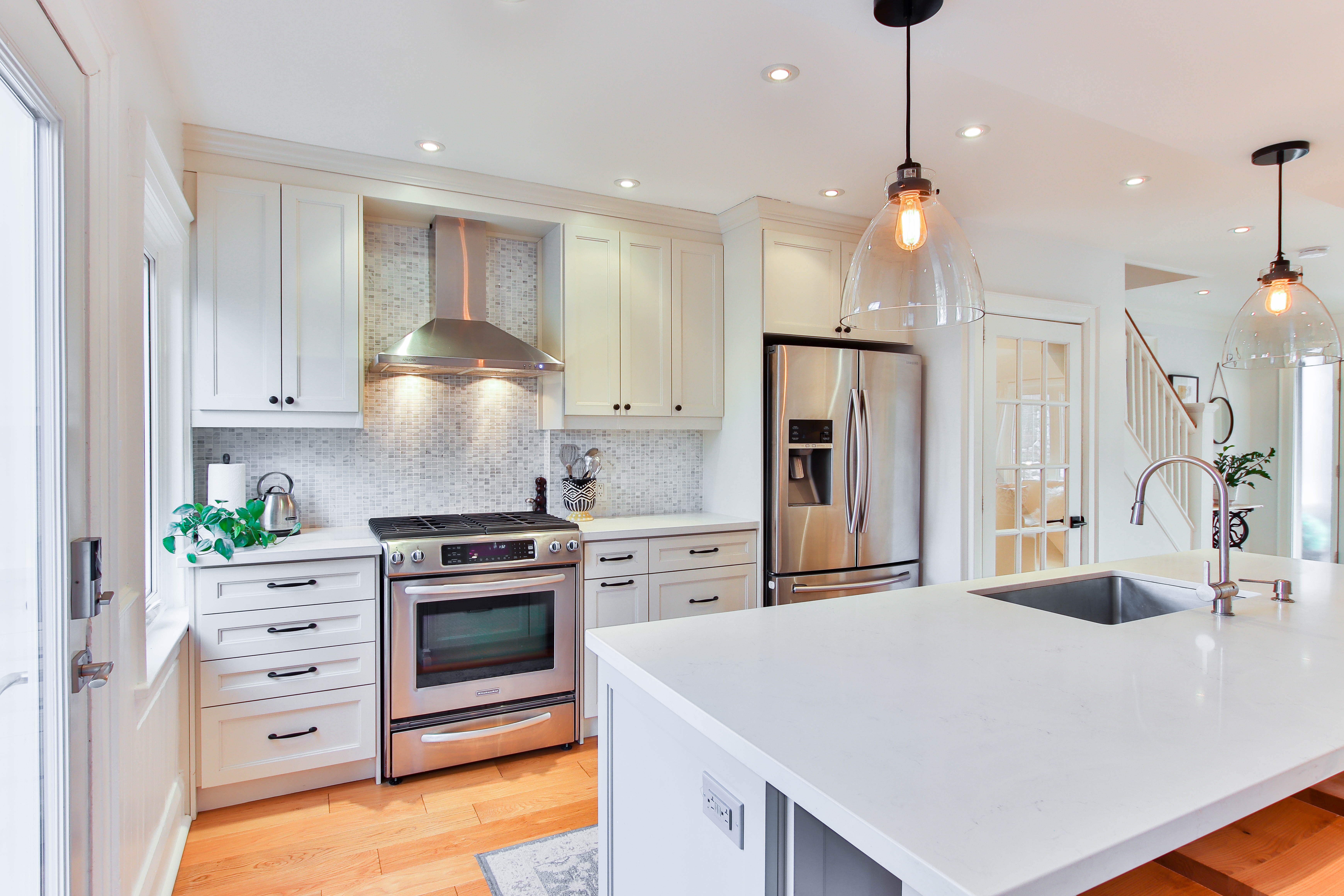 We all want to get the biggest bang for our buck, especially when it comes to our biggest investment – our home. So how do you get the best price possible when you’re ready to sell? You don’t have to go crazy with expensive renovations, a few small and simple updates can make a big impact.
 Truth be told, cooking at my house often involves a smoke alarm. It’s tempting to climb on a step stool to disconnect the pesky alarm, but I have become efficient at opening windows and doors to “fan” the smoke out of the house. Once the smoke clears it’s a good time to check on the rest of the alarms.
 This is not your basic checklist! As real estate professionals, this compilation relies on our years of experience to help our clients get “ahead” of many issues that come up when a buyer looks at a house.
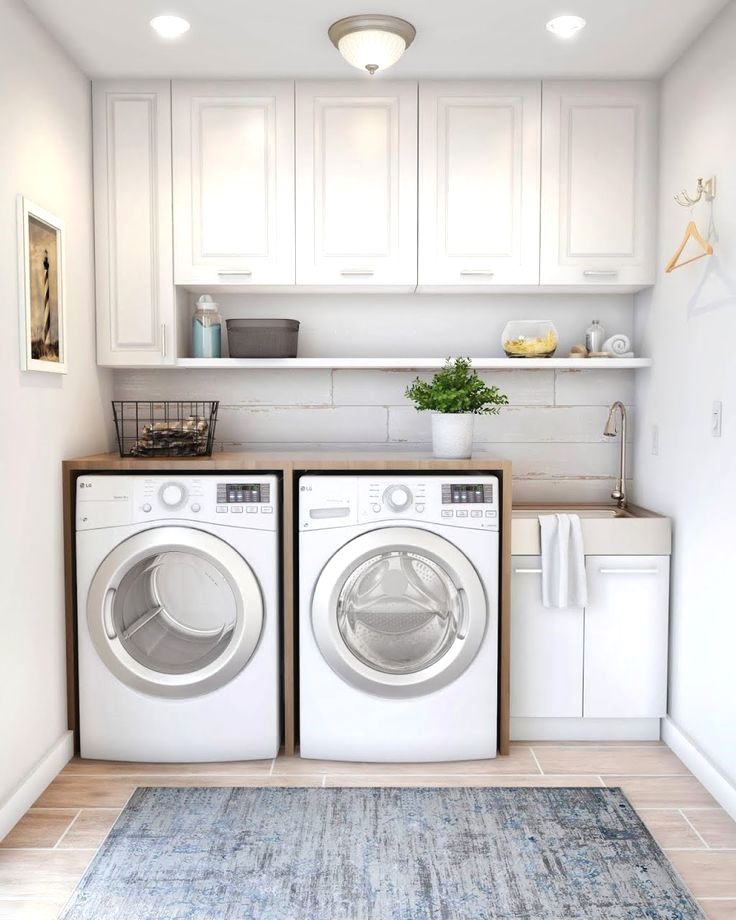 If you follow our blog you know that the real estate biz is not all glitz and glam as represented in the media. If you watch “Million Dollar Listing” or other such shows you may be lulled into thinking that we drive around in our luxury vehicles all day and host lavish buffets at our listings.
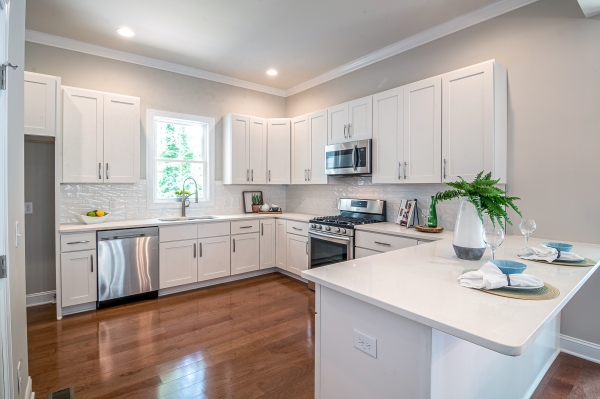 Everyone’s first question about staging their house is, “What should I do with my kitchen countertops?” Most days none of us have our countertops “photo-ready.” Right now my countertop boasts a blender, a toaster, a large white pitcher, a bowl of fruit and bananas and random dishes drying on a dish towel. Yours may have a coffee maker, knife block, canisters, and assorted water bottles. What stays? What goes?
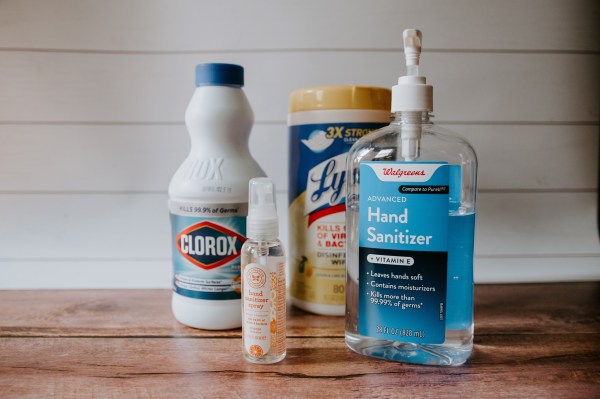 What does it mean to be safe when you’re looking at houses in the midst of a pandemic? While there is no way to be 100% protected, you can minimize your risk of exposure. Here are some Do’s and Don’ts:
 We get it. We fear germs and viruses just like all of you. Federal, local, and town governments have cautioned us to stay home and practice social distancing. We want to do our part as responsible citizens so we, too, are working from home.
