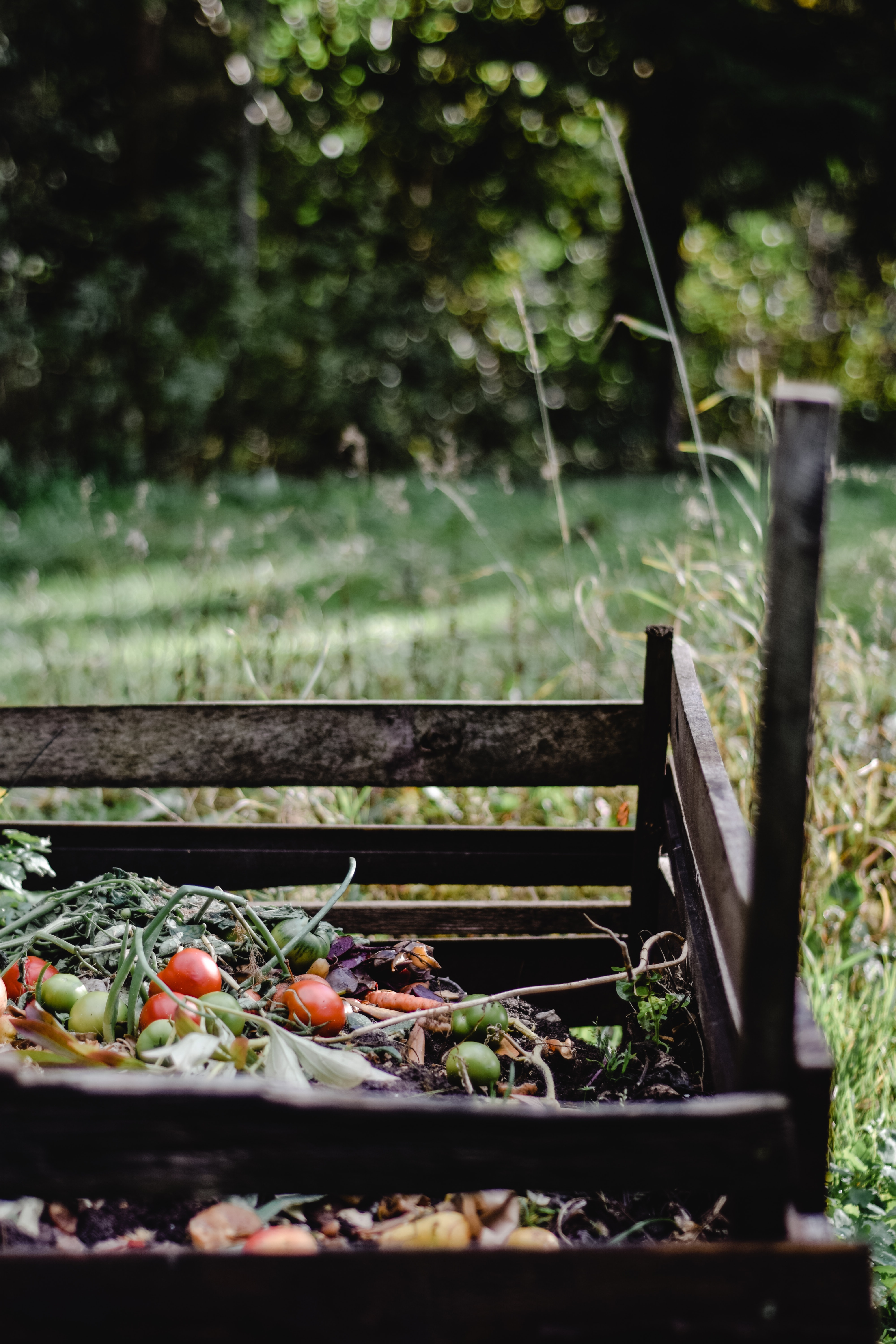
 We’re sure that Vermont’s Universal Recycling Law has brought up a lot of questions on composting. For some clarification, we read up on the subject on VSECU’s blog where Anne Bijur from the Waste Management and Prevention Division of Vermont’s Agency of Natural Resources shares information on composting. We asked Anne if we could share her most frequently asked questions and answers – read on for everything you need to know about composting in Vermont.
MECHANICS OF COMPOSTING & WHAT TO DO WITH MEAT & BONES
What types of leftovers can I compost? If you are composting at home, you can include any type of leftover that does not contain meat, fish, or fats or oils. The smell from these foods might attract animals. The law allows you to put these types of leftovers in the trash. If you bring your food scraps to a drop off site or transfer station, you can include all types of leftovers, even with meat or fish.
You said that meat scraps, chicken skin and bones are still okay to put in your trash—that is the first I’d heard of that. Is that specified in the legislation/law? Yes, the law allows residents who compost at home to put meat and bones in the trash.
We have been composting for years. The only items we don’t add to our compost pile are meat scraps/bones as we believe they will attract wildlife. Do we need to bring those wastes to our recycling station for composting? Since you compost at home, the law allows you to put these items in the trash or bring to your local transfer station or recycling drop-off.
I think the public needs very clear directions on what can be recycled and how, what foods can be composted, and how to maximize the effort to compost. How about some posters that give clear instructions? I realize that I have been doing some things incorrectly, so I’d like to know how and why. The Vermonters Guide to Recycling is a poster that outlines what can and cannot be recycled in Vermont. It can be accessed at VTrecycles.com.
We have this graphic of what constitutes food scraps and can be composted, but you should always check with your local composter to see what they accept as their specific guidelines may differ. To find compost guidelines for your area, ask your hauler or go to 802recycles.com to find your local waste management or disposal entity for more information.
What is meant by “a thick layer of browns?” Browns consist of dried leaves or grass, wood chips, sawdust, or shredded paper or cardboard. They are the carbon sources in your compost pile and are necessary for the microorganisms to survive and make compost from food scraps (also referred to as “the greens”).
Can you tell me what I can do with expired canned goods? Eat them! Most of the time these foods are still good to eat. Expiration dates are not federally regulated, apart from infant formula, and are simply the manufacturer’s suggestion for when the food is at peak quality. Open the canister and look at the food in question; smell it. If it looks and smells okay, give it a taste. If it tastes good, then eat it! You’ll save money by not throwing uneaten food away. Another strategy for avoiding this situation is to periodically look through your cupboard and fridge and move any foods that are close to expiration dates front and center. Then create a meal plan to use them up.
How can I combat fruit flies? The best way is to frequently empty your food scrap container so they aren’t attracted to your kitchen. If fruit flies are still able to find you, put some red wine or apple cider vinegar in a small bowl and add a few drops of liquid soap. The flies are attracted to the smell and will get trapped in the liquid. There are also other non-toxic home remedies you can search online.
Where do you keep scraps till you get to the dump? Here’s a great answer from a VSECU member: “Our family collects food scraps in large Ziplock bag(s) and stores them in our freezer to minimize smell. On Saturdays, we drop it off for free at our local transfer station.” You can also store food scraps in a five-gallon bucket with a lid in a garage, basement or shed until you can get to a drop off site.
DISCOURAGING ANIMALS FROM YOUR COMPOST PILE
I have been composting for years. Any tips for keeping animals away? (Small and large) To deter rodents, try installing half-inch hardware cloth (galvanized wire mesh) under and around your compost bin. You’ll have to move your bin in order to do this so best to do late fall when emptying out your compost bin before the winter. See designs for use with the Soil Saver in DEC’s Compost with Confidence guide. If you live in bear country, the first thing to do is take down bird feeders. Bears have a very acute sense of smell (just think about the size of their noses) and will travel miles to track down a food source. Next, make sure you are adding enough “browns” or carbon sources. Browns include dried leaves or grass, wood chips, sawdust, or shredded paper or cardboard. Every time you add food scraps to your pile, you should add a thick layer, a few inches deep, of browns. Each week, or more or less frequently depending on how many food scraps you generate, you need to turn your pile. This will speed up the composting process and reduce odors which is what attracts animals.
ACCESSIBILITY AND COST
I can’t afford to compost and have no idea how to do it. Composting at home can be inexpensive. To collect food scraps, you can use a recycled yogurt container or a simple large bowl. For a larger container, many stores or restaurants will give away their used five-gallon buckets. You can make your own compost bin out of wooden pallets, chicken wire, or an old trash barrel poked with holes or dig a hole in your yard and bury food scraps (this is referred to as pit or trench composting). There is more information on how to compost inexpensively in our guide, The Dirt on Compost. In addition, many Solid Waste Districts around Vermont offer free workshops on how to compost. You can find your local waste experts at 802recycles.com.
Composting food scraps is a great idea for restaurants, hospitals, schools, state legislatures and the like. However, it’s ridiculously impossible for many individuals, especially the elderly. How many families have time for this? Not all of us are retired, and if we are, for how many years can we keep this up? Composting does not have to take a lot of time. You already sort trash and recyclables so you will need one more receptacle to collect food scraps. If you don’t want to compost at home, there are many haulers who will pick up your food scraps. Here is a statewide list.
If you have mobility issues and need help transporting or carrying your waste, including food scraps, try contacting a neighbor or find someone on Front Porch Forum. Your local solid waste entity might also be able to help or have ideas relevant to your community. Find them at 802recycles.com.
WHERE DO THE FOOD SCRAPS GO AND IS ANYONE ELSE DOING THIS?
What happens to food waste that is either taken to transfer stations or picked up by haulers? Where does it go? Most food scraps are taken to one of more than 17 different certified compost facilities or farms in Vermont. Different haulers and transfer stations bring their food scraps to different locations, depending on the facilities in their part of the state. Contact your hauler or transfer station directly to find out where they bring your materials. You can view the list of compost facilities here.
Are other States doing the composting? Yes, there are other states with food scrap landfill bans but most of them ban the disposal of food scraps from large food scrap generators of 1-2 tons or more a week, like hospitals and grocery stores. These other states with landfill bans include Massachusetts, Connecticut, Rhode Island, California, New York, Maryland, and New Jersey. Several cities have landfill bans including New York and Portland, Oregon.
Please speak to putting food scraps into a garbage disposal that feeds a private septic tank. We don’t advise people to put food scraps down the drain, even when the scraps are blended, as they can clog up the pipes because of the fats and oils. Most septic systems aren’t designed to handle the extra load which leads to more frequent pumping. Public sewer systems usually don’t want food scraps either. This handout explains it further.
COMPLIANCE
Is this law enforceable? Yes, however the staff of Vermont’s Department of Environmental Conservation does not go through individuals trash looking for food scraps but focuses on education and outreach to help Vermonters comply with the food scrap ban. We do conduct sporadic “Spot Checks” at waste facilities to make sure haulers are complying with solid waste laws. Once we can visit facilities, we also do outreach at schools and businesses to help with waste sorts, distribute handouts, and provide technical assistance.
METHANE GENERATED ELECTRICITY AT LANDFILLS
I am a member of an electric utility that makes electric power from methane generated by food scraps. How will the utility continue to generate this power if the methane is no longer created at the landfill due to the government ban on food waste? The short answer is that even with the complete landfill ban in place, there will still be other organic materials like painted wood and sewer sludge that end up in the landfill producing methane gas and older waste that will continue to produce some methane.
We try to ensure that materials are used at their highest and best value, which is why food scraps are better composted than landfilled. When food scraps are landfilled, once they give off methane (and contribute to leachate that also has to be managed), their value is gone. When food scraps are composted, their value is put back into the soil to grow food which is hopefully then composted and the value becomes part of a continuous cycle. This handout provides more information.
WHAT ABOUT INDOOR WORM COMPOSTING?
Here’s an answer from a VSECU member: “At our location we cannot safely compost outdoors because of bears! Now, we compost almost all of our food scraps with a worm composting system, indoors, no odors and no bears, and wonderful worm castings for a fertile garden. There is lots of information available in books and online (YouTube videos). The worms are pretty tolerant; you don’t have to have a fancy system.”
This article was used with permission from the author. See the original post here.
 Is the real estate market cooling off? No.
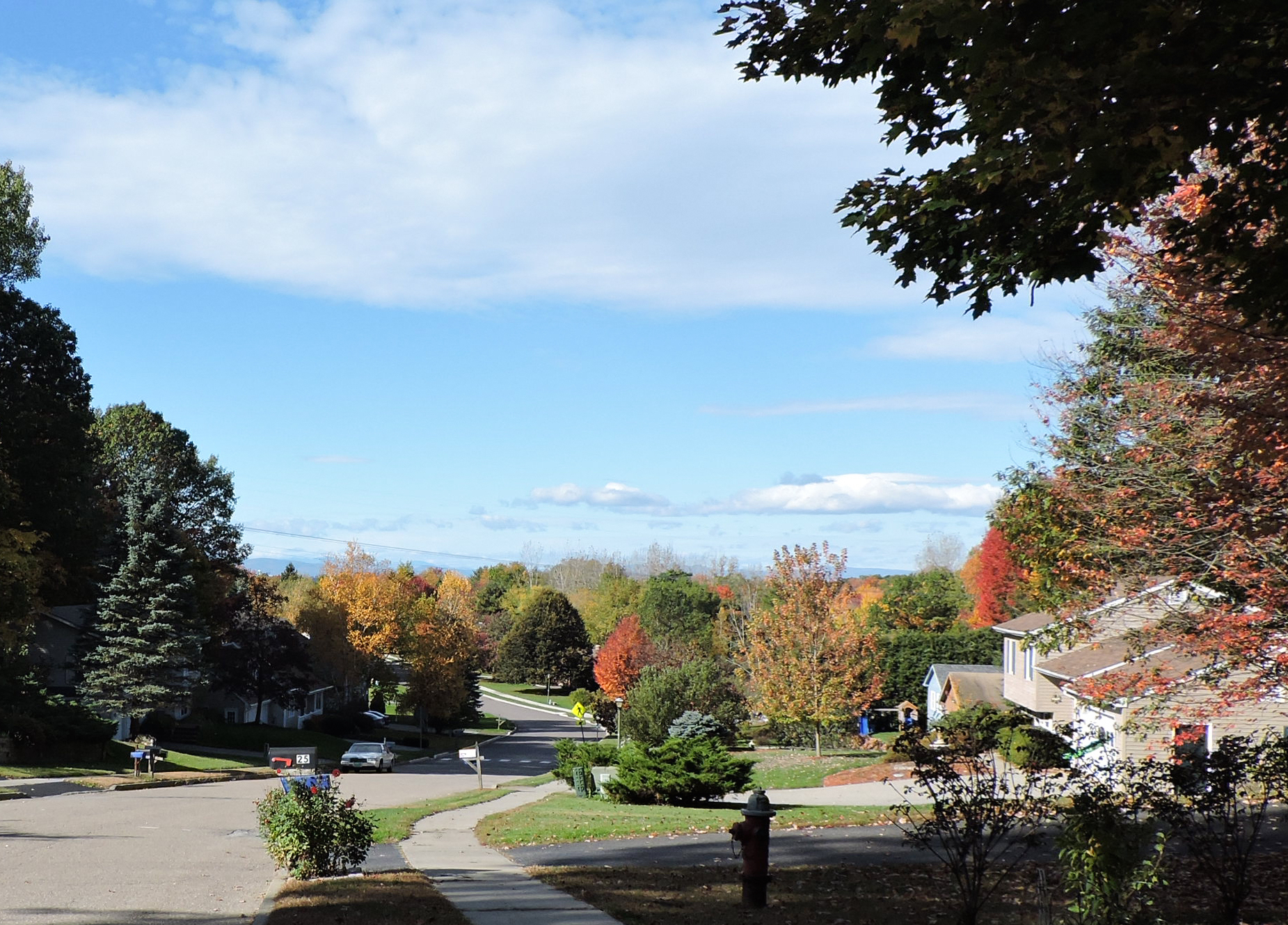 Vermont is small, our population hovers around 620,000. Yes, that’s the whole state – men, women, children. We have never had a housing “boom” like other states. Demand for housing has outstripped our supply over the last few years. In certain price ranges there are perhaps 40 – 50 buyers looking at the same house.
 A Box of Chocolates. Our local favorite is
  Handmade Stoneware Pottery. We love the glazes


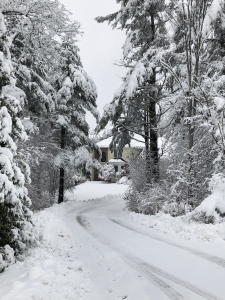 “Do people buy houses in the winter?” is a question that I often hear since winters in Vermont bring snow, sleet, ice and wind. Well, yes, people buy houses, however there are at least 4 challenges in the winter months:
 Bundle up! It’s that time of the year again. Many people move to Vermont every year for our quality of life. We are fortunate to live here, in Northern New England, as our weather and seasons are perpetually changing. If you have lived here for a while then you are familiar with an old New England adage, “If you don’t like the weather then wait a minute and it will change.”

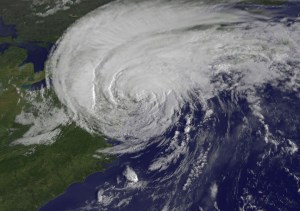
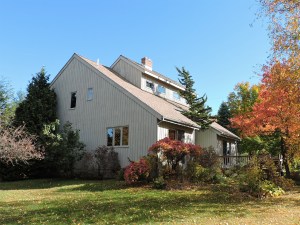 But, does the real estate market slow down in the fall? How about winter? Years ago, real estate was more of a “seasonal” business, and, in some parts of the country it still is. Real estate market statistics are useless unless you see a “seasonally adjusted” number along with the monthly charts.
 The Weaver Team