 Everyone wants to know how Buyer’s Agents get paid. Here’s the truth.
The buyer is the only party to the transaction that brings a check to the closing table. So, simply, the buyer pays the fee. In most cases, the buyer’s agent fee is “baked” into the sale of the house. It’s the whole enchilada.
How Buyer Representation Works: When you hire a Realtor to represent you in the purchase of a home you sign a contract with the Realtor’s agency that outlines the terms, conditions, and most importantly the fee that is due to the Buyer’s Agent. This contract is between you and your Buyer’s Agent. The seller does not pay the Buyer’s Agent fee, it is paid through the transaction as a line item on the seller’s settlement statement.
Here are the two ways to pay your Buyer’s Agent:
In most cases the purchaser may request that the seller cover the Buyer’s Agent fee in the transaction. This means that when you see a “sale price” for a house it does not reflect the “net proceeds” to the seller.
Less commonly, the purchaser may want to pay the Buyer’s Agent fee directly to the buyer’s agency as part of their closing costs. This means that the “sale price” for the house does not have the Buyer’s Agent fee baked into the transaction.
If you are thinking about buying and still have questions – please feel free to reach out, we are always happy to help!
 First, who doesn’t love a warm Frosted Brown Sugar Cinnamon Pop-Tart? Alas, I digress. Back to the topic at hand, what is a Pop-Tart agent? Whenever there is a hot seller’s market, as it has been the last few years in Vermont, buyers are eager to run out and see property. This means that a buyer would call an agent, and the agent would pop up at the front door to let the buyer into the house, thus the practice of “popping up” to show a house morphed into a “Pop-Tart” showing as Pop-Tarts, well, you know, pop out of the toaster when ready.
 If you’ve been following the mainstream media you may have read that Sellers are no longer required to pay Buyer’s Agents. It’s an interesting headline unless you are in the real estate business and know that Sellers never were required to pay Buyer’s Agents, but that’s another blog.
 Did you know that when you contact random real estate agents they are “not” working for you? While they may be friendly and accommodating, they do not have your best interest in mind. Until you sign a contract with a real estate brokerage firm you are an unrepresented buyer. While there is no requirement that you engage a professional to represent you in the purchase of a property you may get weary of not having “one” real estate agent as your fiduciary, someone to put your interests first. Here are three reasons to hire a Buyer’s Agent:
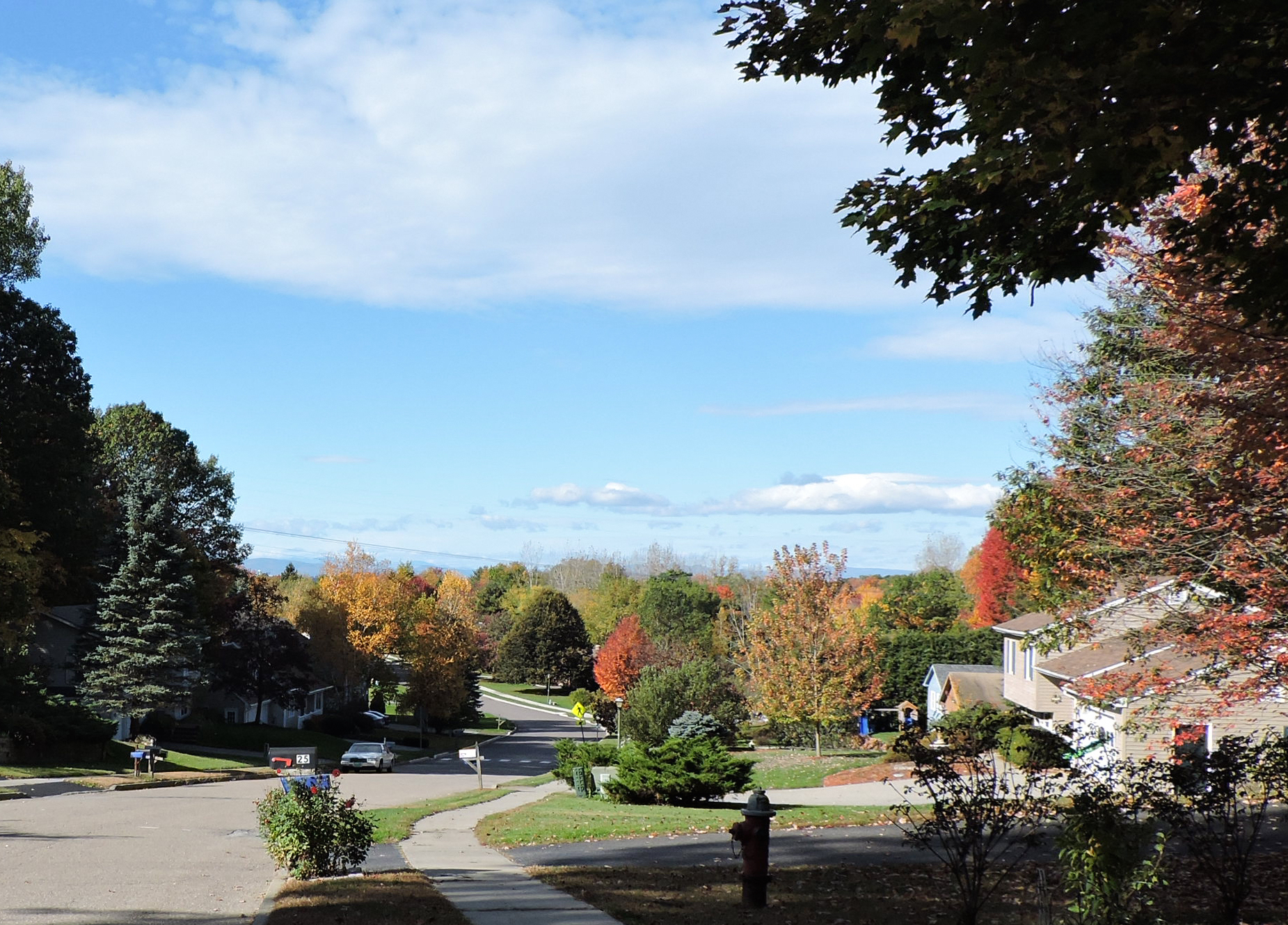 Vermont is small, our population hovers around 620,000. Yes, that’s the whole state – men, women, children. We have never had a housing “boom” like other states. Demand for housing has outstripped our supply over the last few years. In certain price ranges there are perhaps 40 – 50 buyers looking at the same house.
 Let’s face it, there are plenty of Realtors out there. They are in your book club, your networking club, at your gym, and at the dog parks. Realtors wear vests, coats, and even dog leashes emblazoned with their brokerage logo. And, if you even mention “moving” at a Starbucks be assured that there is a Realtor lurking at the next table.
 Every once in a while a seller client will ask, “Why aren’t you ever showing my house?” It’s a very good question. Shouldn’t the seller’s real estate agent, the one who listed the house, the one whose sign is in the front lawn, be the agent that shows the house the most? Just a common sense, right? Actually there are 3 reasons why your listing agent isn’t the one showing your house.
 As state regulations on the real estate industry evolved it became part of real estate law to recognize that buyers may need protection in the real estate industry. In today’s real estate world most of the activity occurs on the internet. Real estate agents “buy” leads. When a prospective buyer finds your house on a website the inquiry to show the house goes to an agent “other” than your listing agent. As listing agents, we make sure that we promote our listings to all real estate agents, our friends, past and current clients.
 1. The “Premiere Agent” on Zillow has paid to be in that #1 position. Many agents pay third party search engines to pop up at the top of the list of real estate agents in your area. This truth extends to Realtor.com, Trulia.com and Yelp.com. Many times, your top local real estate experts who provide exceptional service and results stay in business through repeat clients, past client referrals, and general “word-of-mouth” networks. Ask your colleagues, friends and family who they recommend before jumping on the internet to look for an agent.
 3. Internet sites that promote “We will match you with a Top Agent” usually send your information to several agents that have signed up for that websites services. These agents scramble to be the “first” to contact you and the agents pay a hefty “finder” fee to the service.
 Do you need to hire a “specialist” or do you need a “general practitioner” when assessing the best real estate agent when you are looking to jump into the real estate market as a buyer or seller?


 Once I know what you are looking for, I can “edit” the list of potential homes and hone in quickly on prime candidates. After we see a few houses together I will be able to figure out what will be ideal. What does that mean to you? It means you can relax. Don’t jump every time Zillow sends a notification. While it may meet your Zillow criteria, it may not meet your other wants and needs.
 The Weaver Team