 Is the real estate market cooling off? No.
Will the shorter days and longer nights put a damper on buyer activity? No.
Will houses stay on the market for more than a day or two? No.
Will prices continue to rise? Looks that way.
Navigating the real estate market has been a challenge for the last few years. Multiple offers on properties. Many “cash, no contingency” offers are hard to beat for the average buyer who needs a mortgage loan and simply wants a home inspection. Houses that sold a few years ago show up on the market again with eye-popping prices.
The last quarter of 2021 shows no slowing of prices or buyer activity thus far. Low interest rates and low inventory continues to drive market activity. All price ranges are competitive. This may sound depressing for buyers but there is hope.
What do we predict for 2022? If you want to dip your toes into the fast moving waters of Chittenden County real estate, reach out. We have a track record of success for buyers as well as sellers. Our networking, relationships, and strategies guide our buyers to their goals.
We can’t wait to help you find your Home Sweet Vermont!
 Cozy up next to a fire and enjoy these strange tales from our real estate travels.
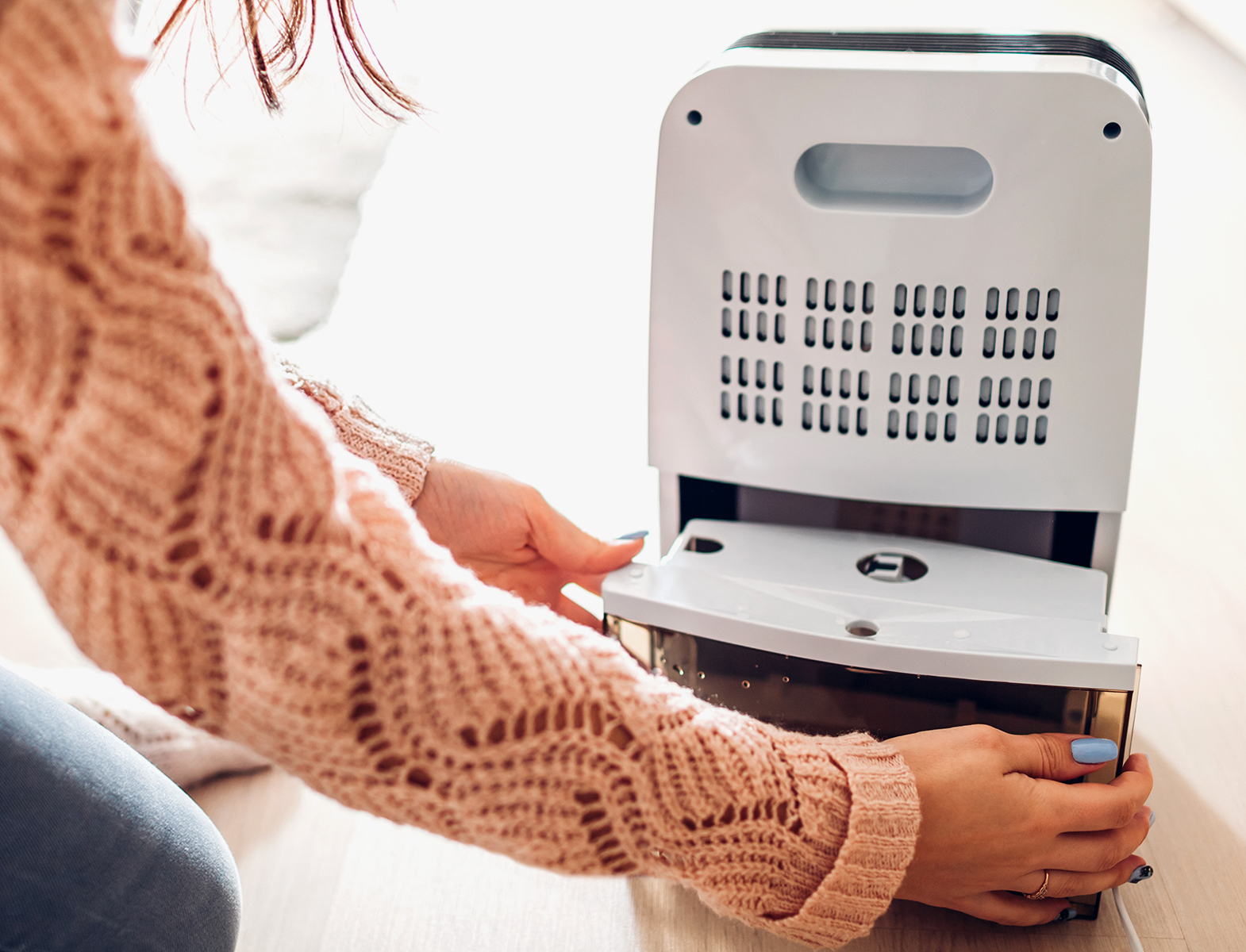 It’s been a hot and humid summer here in the northeast. Temperatures and humidity levels have been similar to those in the south. Sometimes the “sticky” feeling creeps into your house making it damp, unpleasant, and smelly indoors. Laundry in the basement level of your house can create the perfect storm of dampness and moisture.
 Summer is officially here and it’s time to get your exterior living spaces “show ready.” Even if you’re not selling your house it’s fun to add some quick and easy items to your outdoor spaces.
 It’s easy to get mixed up when you’re bantering about real estate terms. Here’s a handy guide to follow:
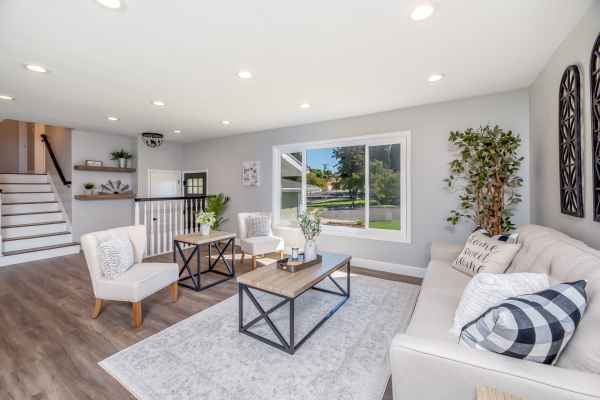 Who doesn’t love to watch HGTV (Home and Garden TV)? From “Love It or List It” to “Property Brothers,” we spend hours watching the transformation of living spaces.
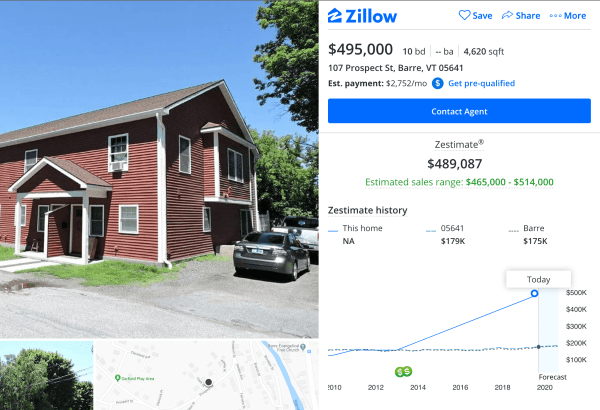 If you’re a fan of Zillow.com then you are familiar with the “Zestimate” value of your house. Of course, it is an “estimate of value” but because it is generated by Zillow they have added the “Z” to make it proprietary. Recently a buyer asked why a Zestimate was so much lower than the asking price for a house. Good question. Let’s discuss.

 The days are longer, the sun shines brighter, and, oh, those windows have a dirty film on them! Everyone sweeps floors, dusts baseboards, and neatens up at this time of year, but, how many of us remember to maintain and clean windows, screens, duct work, light fixtures, chandeliers, and bathroom fans?
